
Single House Zone in Auckland: What It Is and What the 2026 Law Changes Will Bring
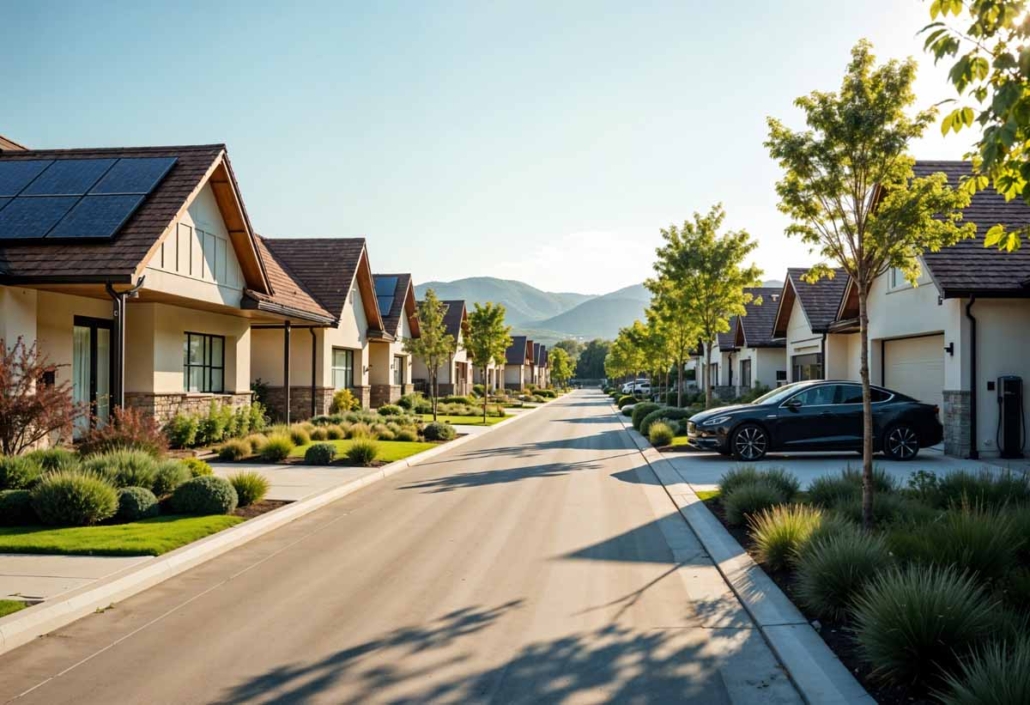
Auckland’s residential areas are divided into different zones under the Unitary Plan, and one of the most common, and perhaps most misunderstood, is the Single House Zone. This zone limits most sites to one dwelling and sets strict rules for subdivision and section size. This article explains what the Single House Zone is, outlines the key development restrictions, and explores how upcoming 2026 reforms could make it easier to build a minor dwelling.
If you own property in a Single House Zone, you have probably heard terms like “one dwelling per site” or you tried to subdivide and struggled with all the section size regulations. In this article, we will explain what the Single House Zone is in Auckland, the development restrictions it imposes, and importantly, what changes are on the horizon with new 2026 legislation.
We will also look at how you can potentially leverage upcoming rules to add a minor dwelling or subdivide giving you a clear picture of how the Single House Zone works and how the 2026 reforms will impact homeowners in these areas.
What is the Single House Zone in Auckland?
The Residential – Single House Zone (SHZ) is a zoning category in the Auckland Unitary Plan intended for low-density, suburban housing. As the name suggests, the default expectation is one primary house per site in this zone. The planning rationale is to maintain a spacious, quiet neighborhood character, often in areas with established homes, larger sections with lawns and trees, or special character homes. According to the Unitary Plan description, the Single House Zone is meant to maintain and enhance the amenity values of established residential neighborhoods, with development generally limited to one or two-storey detached houses in keeping with the existing suburban character.
Multi-unit development (like townhouses or apartments) is not anticipated in single housing areas; any additional housing is restricted to minor accessory units or converting a large house into duplex-style flats.
Key features of Auckland’s Single House Zone include:
Density:
Only one dwelling per lot is allowed as of right. You can not build two full-sized independent houses on a single section. This is unlike other zones where multiple dwellings might be permitted. In Single House zones, intensification is very limited by design.
Height and Building Size:
Buildings are typically limited to 8 to 9 meters in height – one to two storeys. The zone has development controls such as height-in-relation-to-boundary in order to ensure houses don’t overshadow each other too much, minimum yard setbacks from boundaries, and a maximum building coverage to retain green space. The intent is to keep buildings at a human scale consistent with a suburban street of single-family homes.
Special Character Area Homes:
Many Single House zoned areas overlap with Auckland’s special character suburbs (parts of Ponsonby, Mount Eden, Devonport, and other Bungalow-era neighborhoods). The zone’s rules work in tandem with Special Character Area overlays to preserve historic housing styles and streetscapes.
Minor Dwellings:
Recognizing the need for some flexibility, the Unitary Plan does allow one minor dwelling unit on a site in the Single House Zone, as a secondary dwelling to the main house. This minor dwelling is subject to strict standards. Specifically, in Auckland the minor units or granny flats floor area must not exceed 65 m² not counting any deck or garage space, and it needs its own outdoor living space. Only one minor dwelling is allowed per site and it must share the driveway/access with the main house. If these standards are met, a minor dwelling in Single Housing Zone is a permitted activity, though you will still have to get building consent under current rules. Essentially, the Single House Zone does accommodate the classic “granny flat” scenario, but with a size cap to ensure the secondary house remains modest compared to the primary dwelling.
Home Conversions:
Another exception to “one house” is that you can convert an existing single house into two dwellings for example, turning a large house into an upstairs and downstairs flat in Single House Zone, provided you meet certain requirements. This is known as converting a dwelling into two units, often used for creating a duplex out of a big old villa. It’s allowed on paper, but subject to standards and sometimes not feasible if parking or design standards can’t be met.
What Changes Are Coming in 2026 for Single House Zone?
In response to New Zealand’s housing supply shortage, the government has introduced reforms that affect planning rules in Single House Zone. The key change to know about is the introduction of national policies that override some local zoning restrictions to enable more housing. Here’s how the Single House Zone is impacted…
“Auckland Council has removed the Medium Density Residential Standards (MDRS) as a permitted activity as of October 9, 2025, through the withdrawal of Plan Change 78. In November 2025, Auckland Council Auckland notified a new Plan Change, Plan Change 120. This may propose to change the zoning for some sites currently in the Single House Zone. Any changes through this process remain subject to review and approval, and the full effect is still evolving. The time frame is late 2027, but exact timing and outcomes are not guaranteed.
So although the intention is that by 2027 many sites in what is currently the Single House Zone may be able to accommodate up to three dwellings (or an expanded minor dwelling up to around 70 m² in some cases), the actual rules in your area will depend on whether your council has finalised its plan change and how that aligns with national policy. If your site remains within the Single House Zone, it may indicate it is subject to heritage, environmental or overlay protections. It’s therefore wise to check with professionals before making development plans.
In the new bill in 2026 you may be able to build a slightly larger 70 m² minor unit without building or resource consent, as long as you meet the criteria. This new law essentially turbo-charges the minor dwelling provision that already existed in SHZ, that way making it easier and faster to utilize. So even if your area stays single-house-only, you have more freedom to create a home-and-income setup. Councils will have to allow this uniformly. The result could be a lot more little cottages popping up in suburbia.
In summary, If you’re in a Single House Zone and wonder what you can do with your property, or how the new rules might create an opportunity for you, feel free to reach out to us at Fluker Surveying. We can help you plan a compliant minor dwelling, assess a subdivision, or simply advise on the best strategy under the upcoming rules. The regulatory landscape may be changing, but with the right guidance, you can stay one step ahead and make the most of these changes for your own property goals.

